
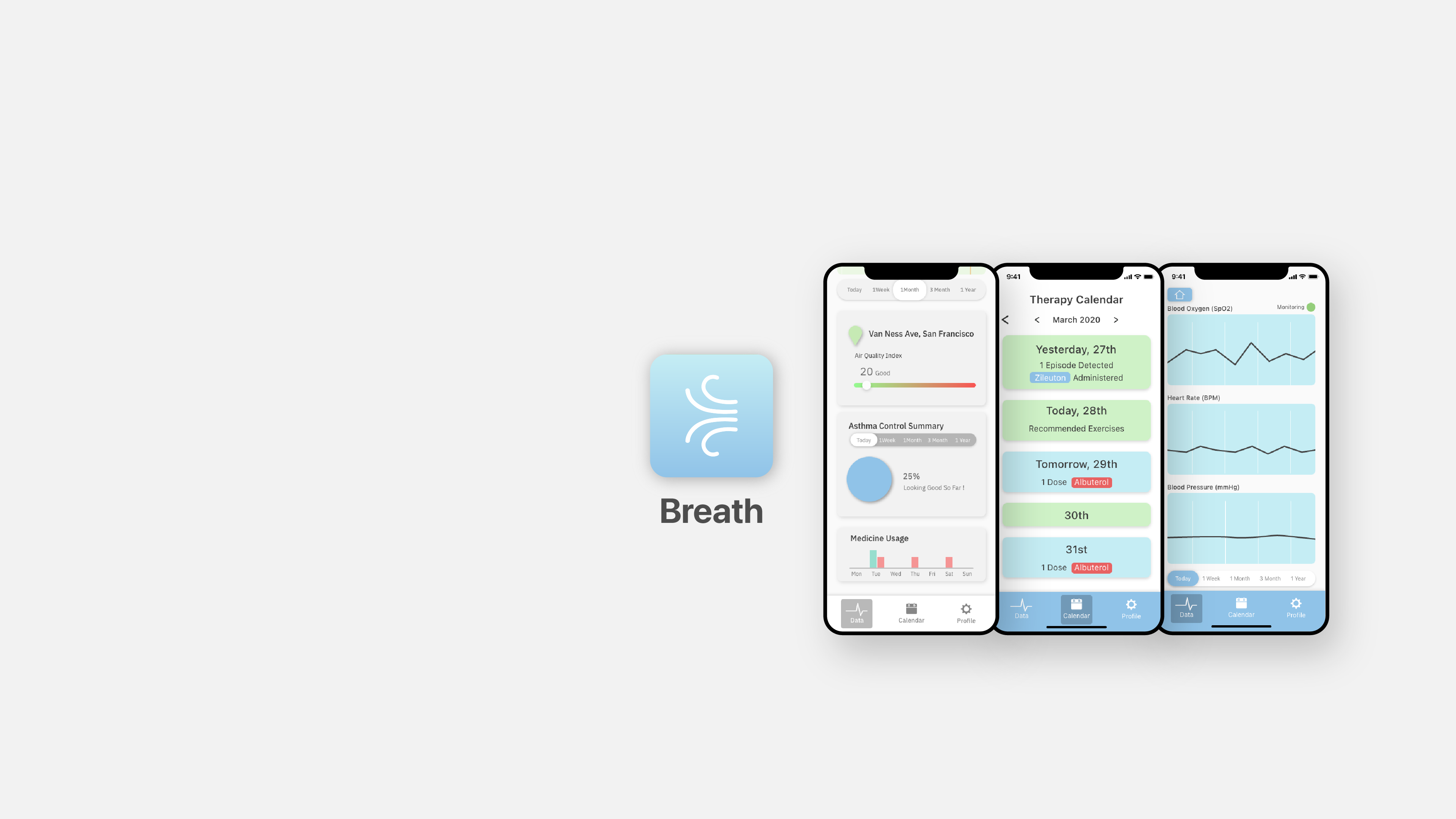
Breath
Remote Bronchial Asthma Management System
Case Study | Personal Project | System Design | Mobile Design
My goal in this case study is to explore the end-to-end relationship and interactions between doctors, caregivers, and Bronchial Asthma patients; then propose a reliable service that maximizes the patients’ ability to manage and treat their conditions at home.
4 Weeks
Junyan Li - Product Designer | Mobile Design | User Research
Adobe XD
Solidworks
Mural
Survey Inquiries
User Interviews
Journey Mapping
Persona
- Identify design opportunities through analyzing existing asthma care product & services
- Conducted the full user research cycle through qualitative and quantitative methods, and built both 3D and interactive prototypes
- Proposed an accessible asthma care service framework
- Using user testings to gather feedbacks before finalizing design
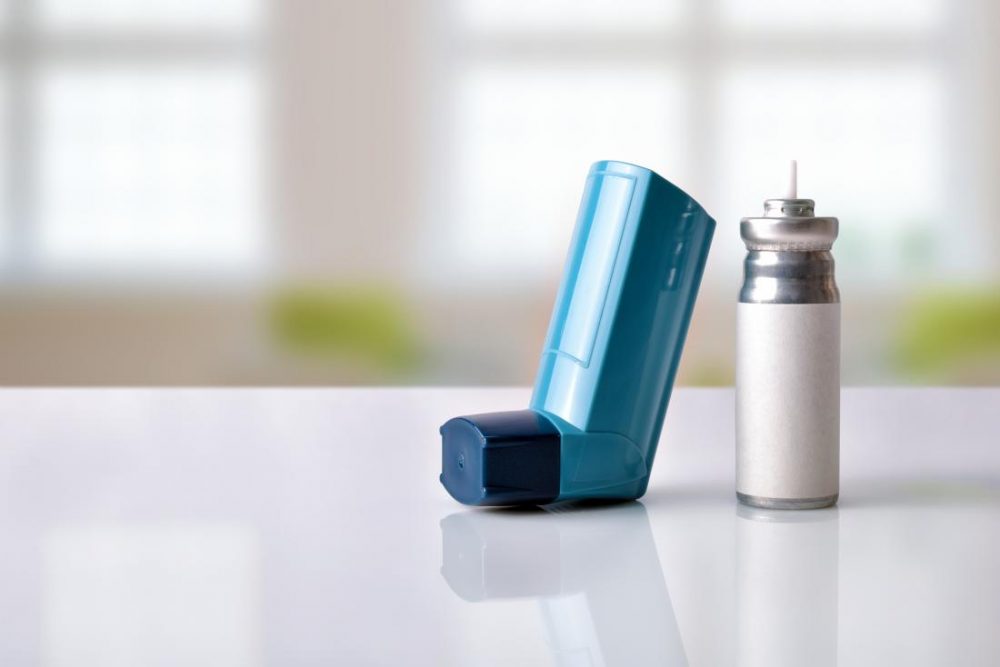
Asthma is a lifelong respiratory disease that impacts patients' quality of life. According to CDC, about 1 in 12 people (approx. 25 million) have asthma in the U.S., with the numbers increasing every year.
Asthma care requires not only clinical treatment, but continuous attention and self-care from the patients' daily lives.
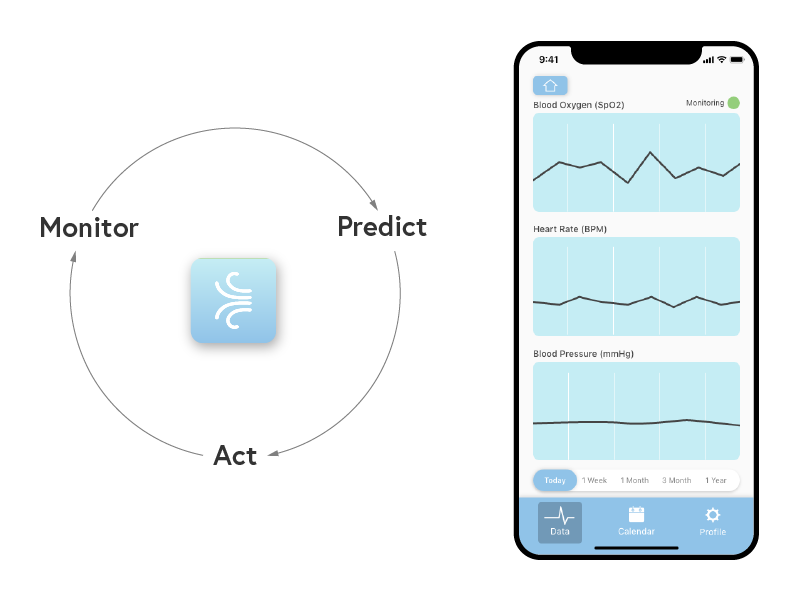
Breath is an Asthma Care Service that helps patients manage their conditions through IoT technology.
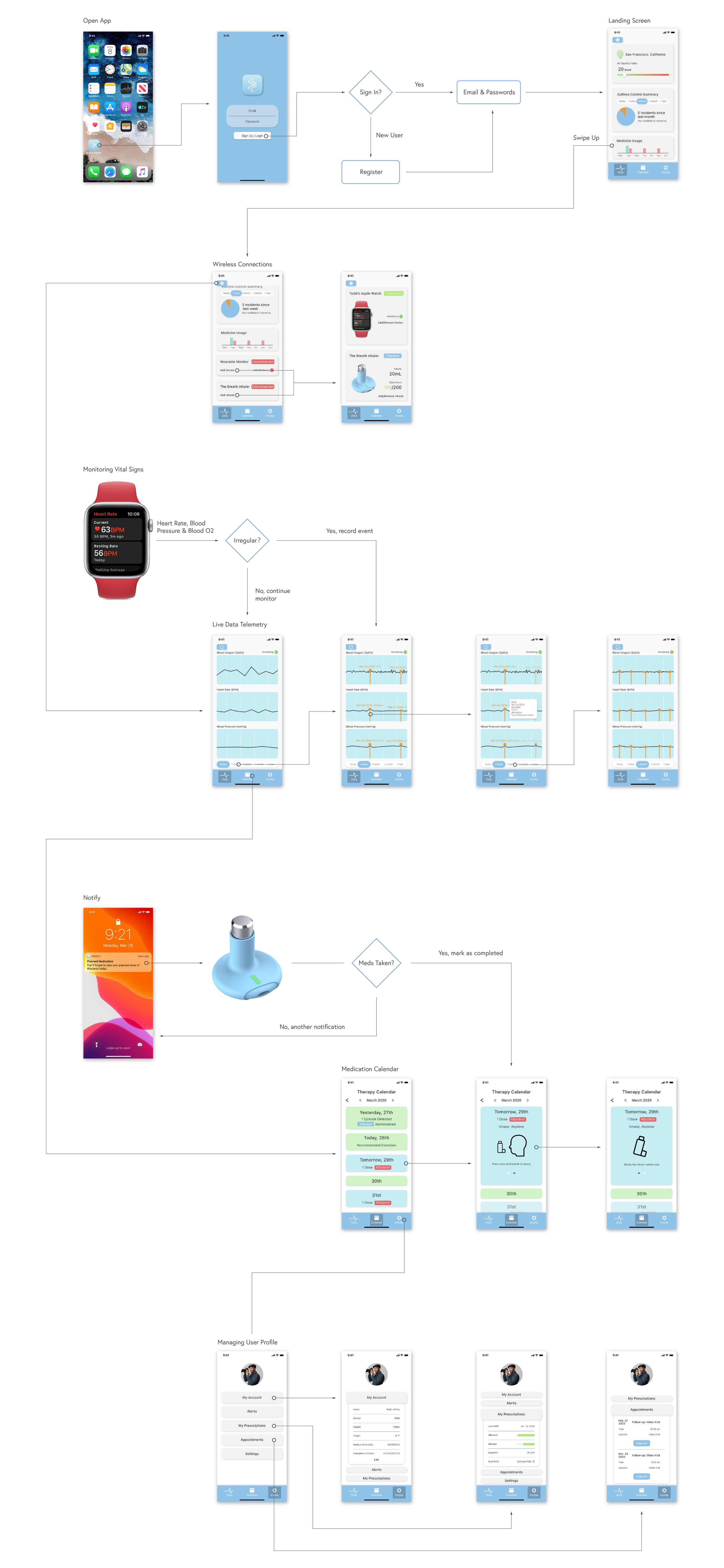
Quick access to the most essential information: Air quality, medicine usage, and asthma symptoms.
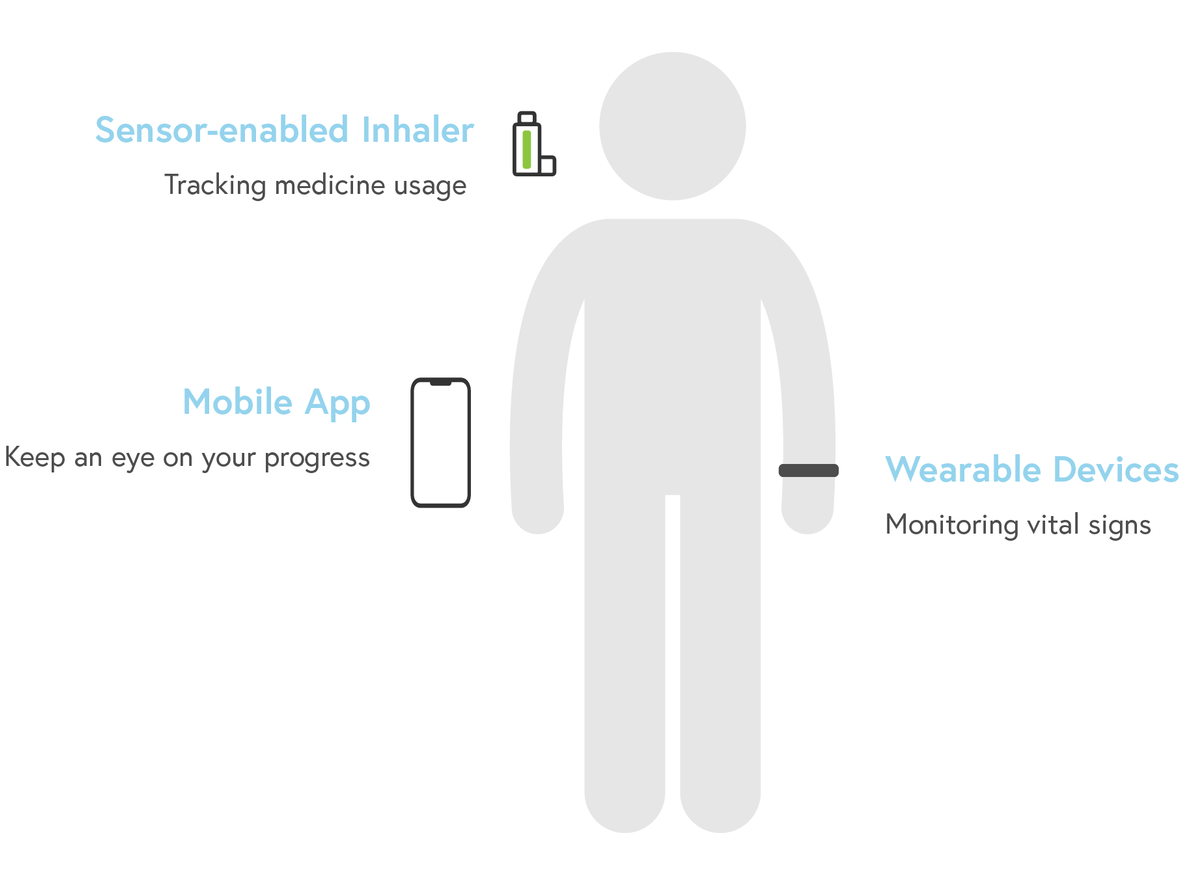
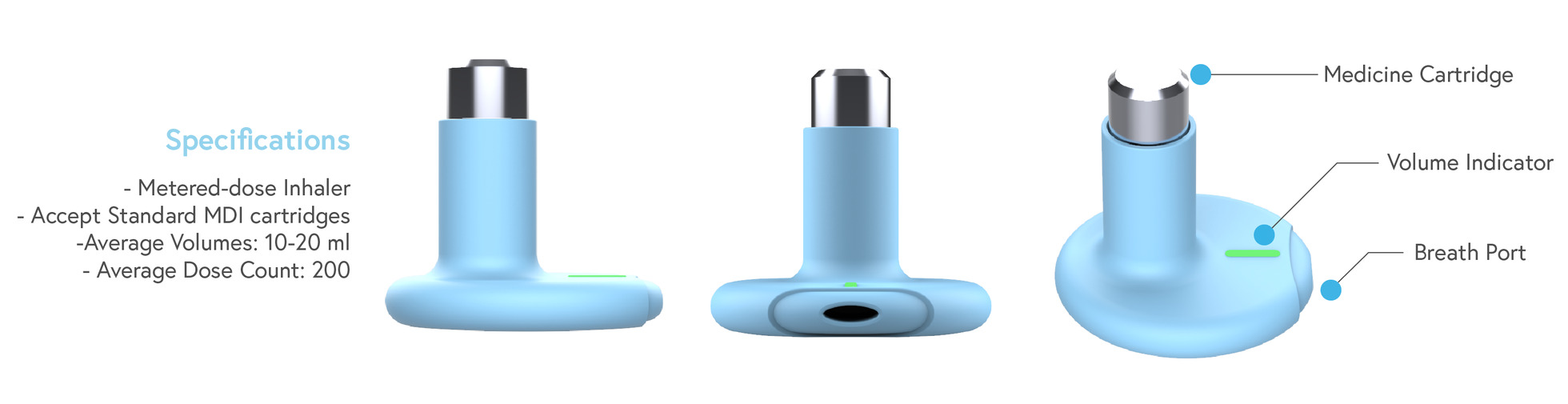
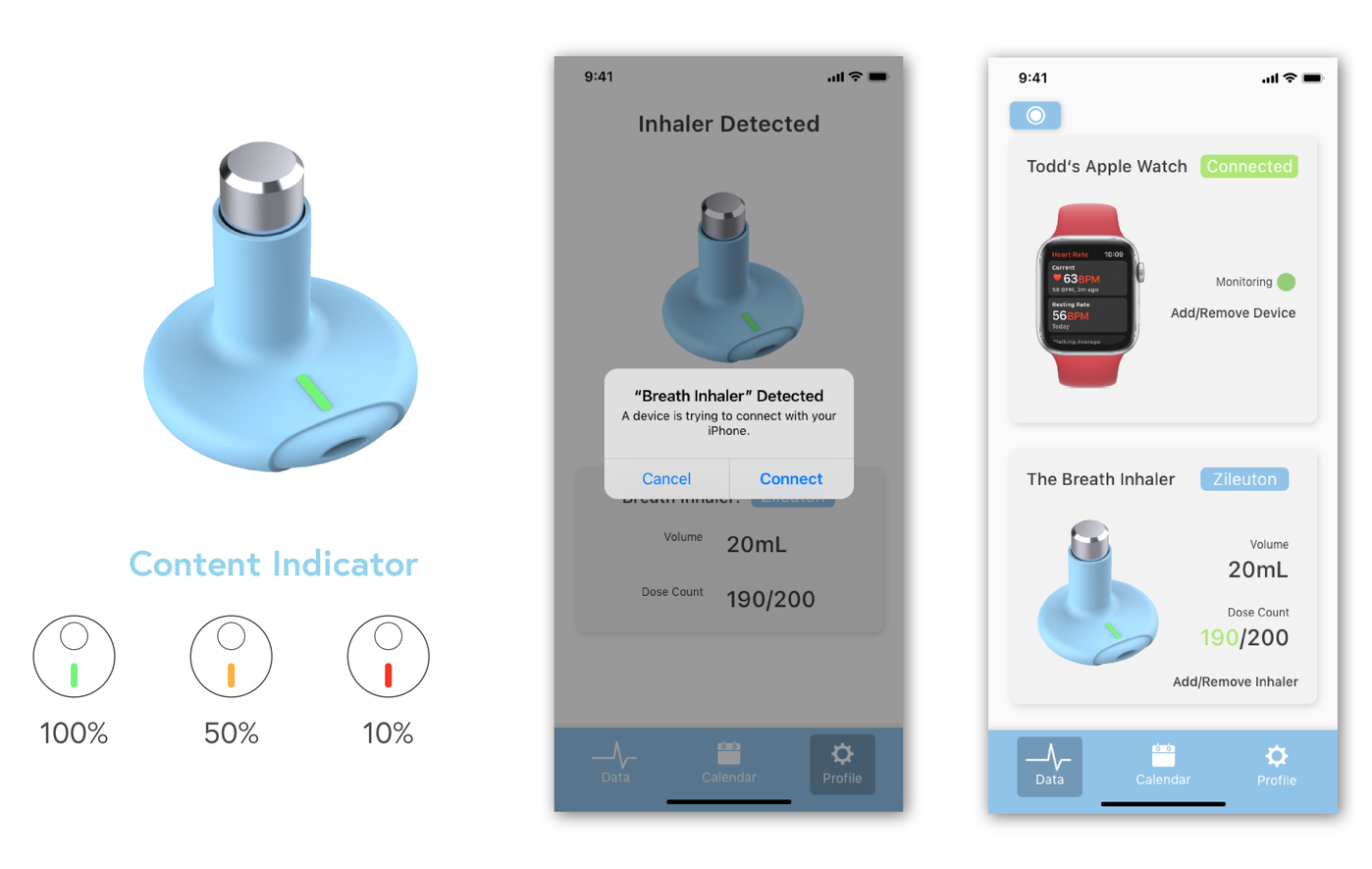
Setting up your choice of wearable monitors and smart inhalers and keep an eye on them anywhere, anytime.
Powered by wearable technology, gadgets like Apple Watch can monitor its user’s vital signs and highlight irregularities.
Providing a clear view of the patient’s schedule per the doctor’s instructions: upcoming appointments, medication usage, exercise recommendations, etc.
Synced with the patient’s medical record at the hospital or clinic, with easy access to prescriptions status and doctor visits.
Asthma is a disease of obstruction along one’s lung airway due to inflammation, which could lead to difficulty breathing and even death if not treated properly. It has a characteristic of causing periodic and sudden symptoms which often require timely usage of relieving medication.
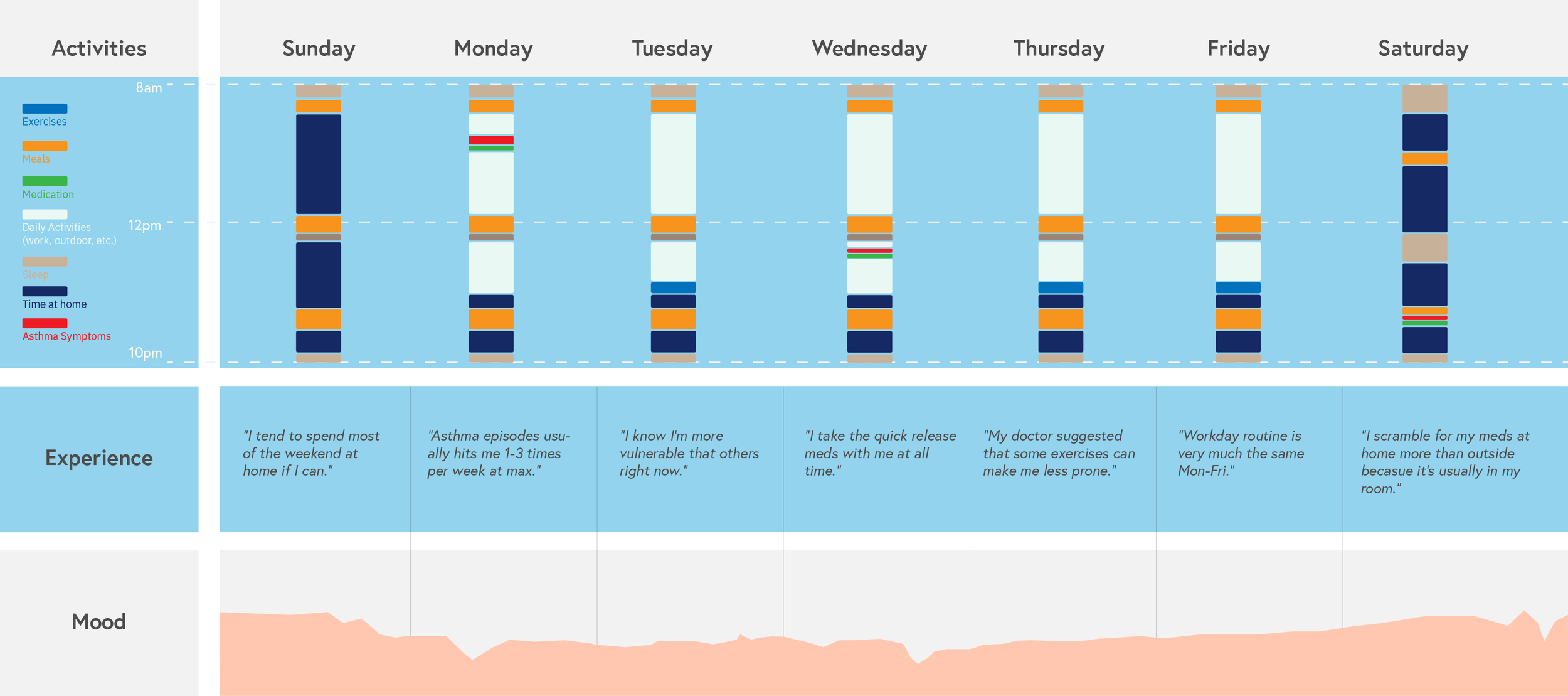
To further understand how does Asthma affect one’s living condition on a day to day basis, I interviewed Dan, an individual in his 30s, with mild persistent Asthma and learned about his typical day to day experiences:
Journey Map over the course of a week
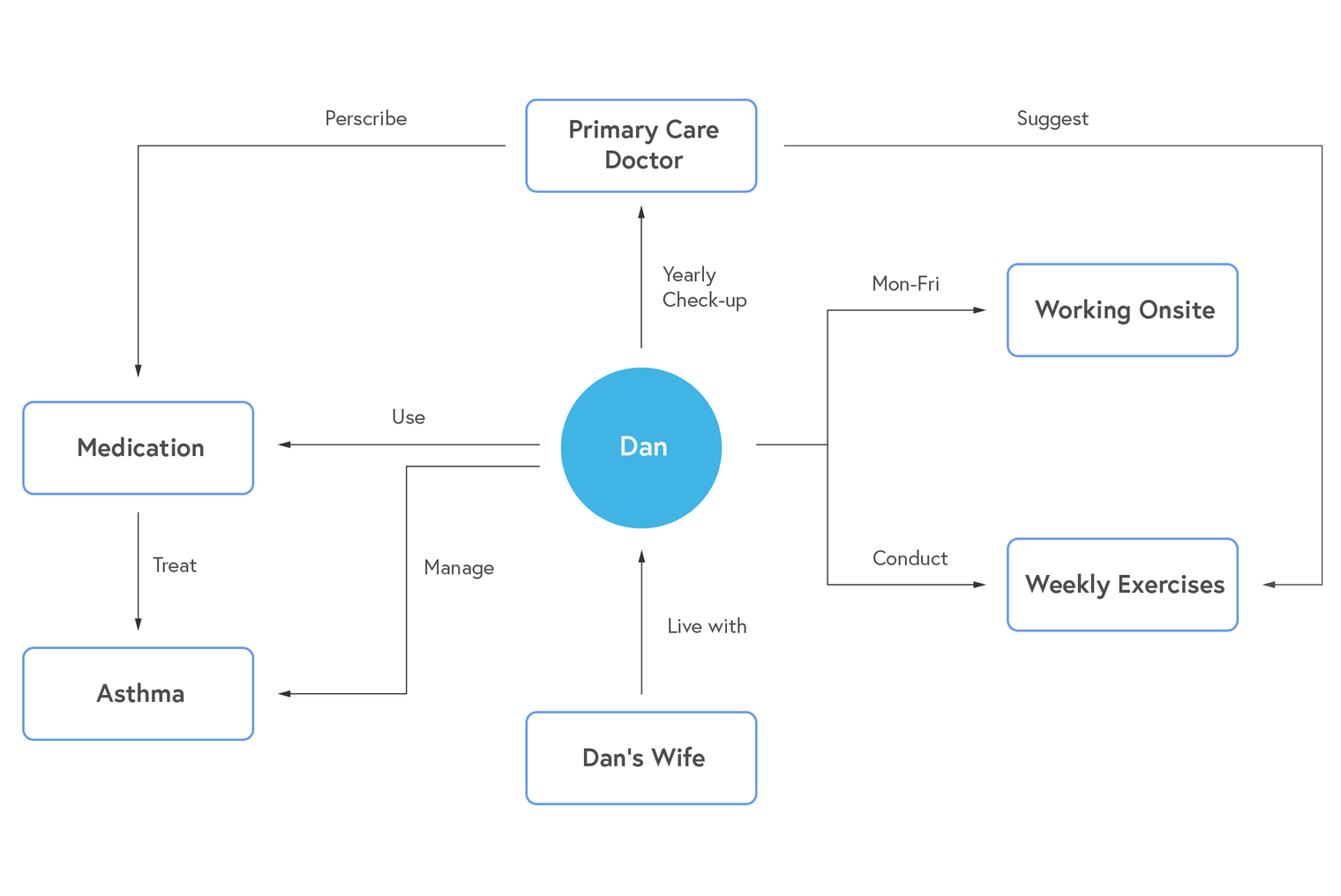
Then, using what I through the interview, I mapped out his current personal care network.
Things took an unexpected turn since March 2020. The pandemic has made being in the public a lot riskier than before, even more so for individuals with preexisting respiratory conditions. With that being said, I can’t help but start thinking about, how would the current support system react to the change?

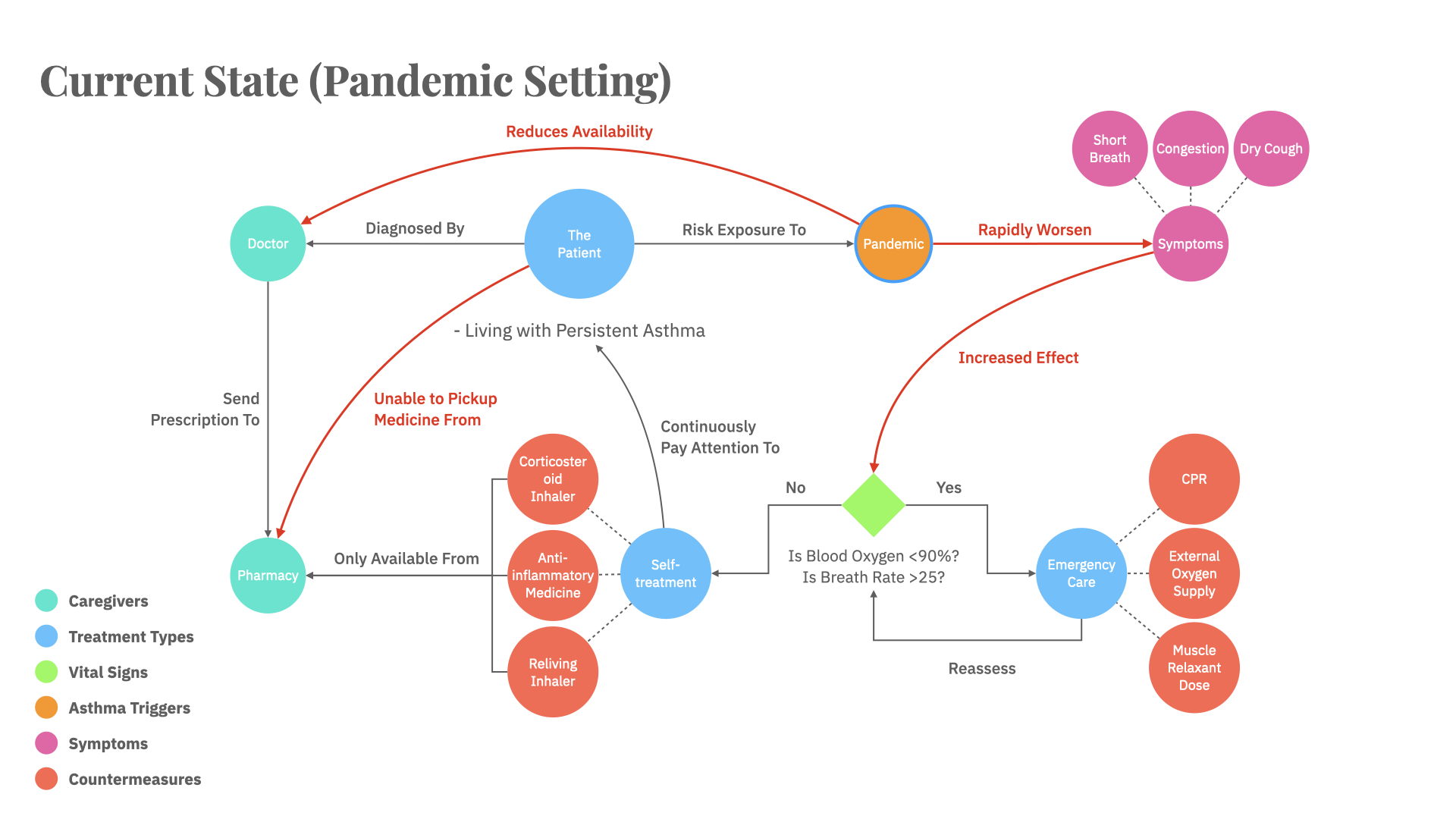


Asthma, as well as other COPD patients, are more vulnerable when facing rough air qualities and respiratory system related illnesses.

Increased pressure on the medical system means less available resources to the patients in need.

When long-term condition management largely depends on self-care, patients want ability to keep track of their conditions.
Proposed Concept
Based on the insights, I propose a dynamic system consisted of wearable sensors, actuators, and a user-facing interface that enables complete awareness of the user’s respiratory system health.
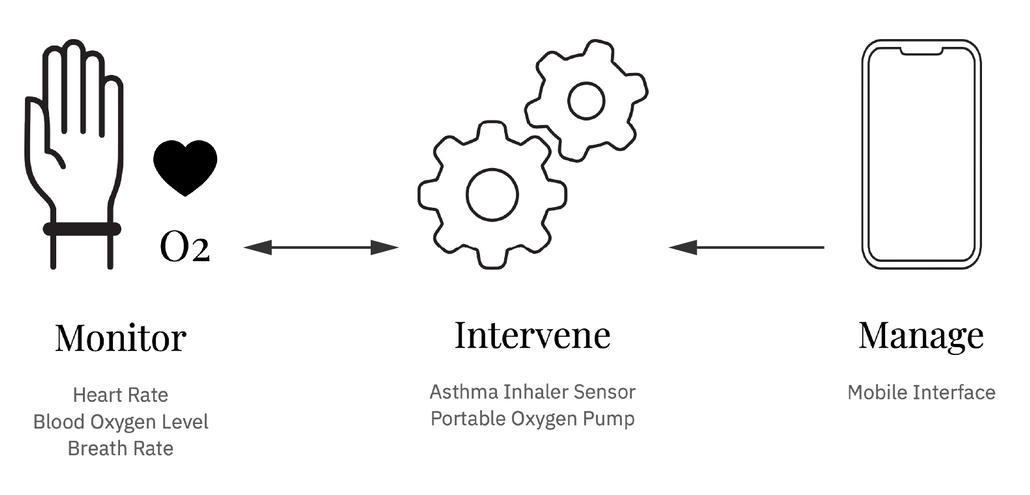
After deciding on the concept, I moved on to address the service system in detail. The following model explains the “behind the scene” things that are happening as the patient is living his/her life.
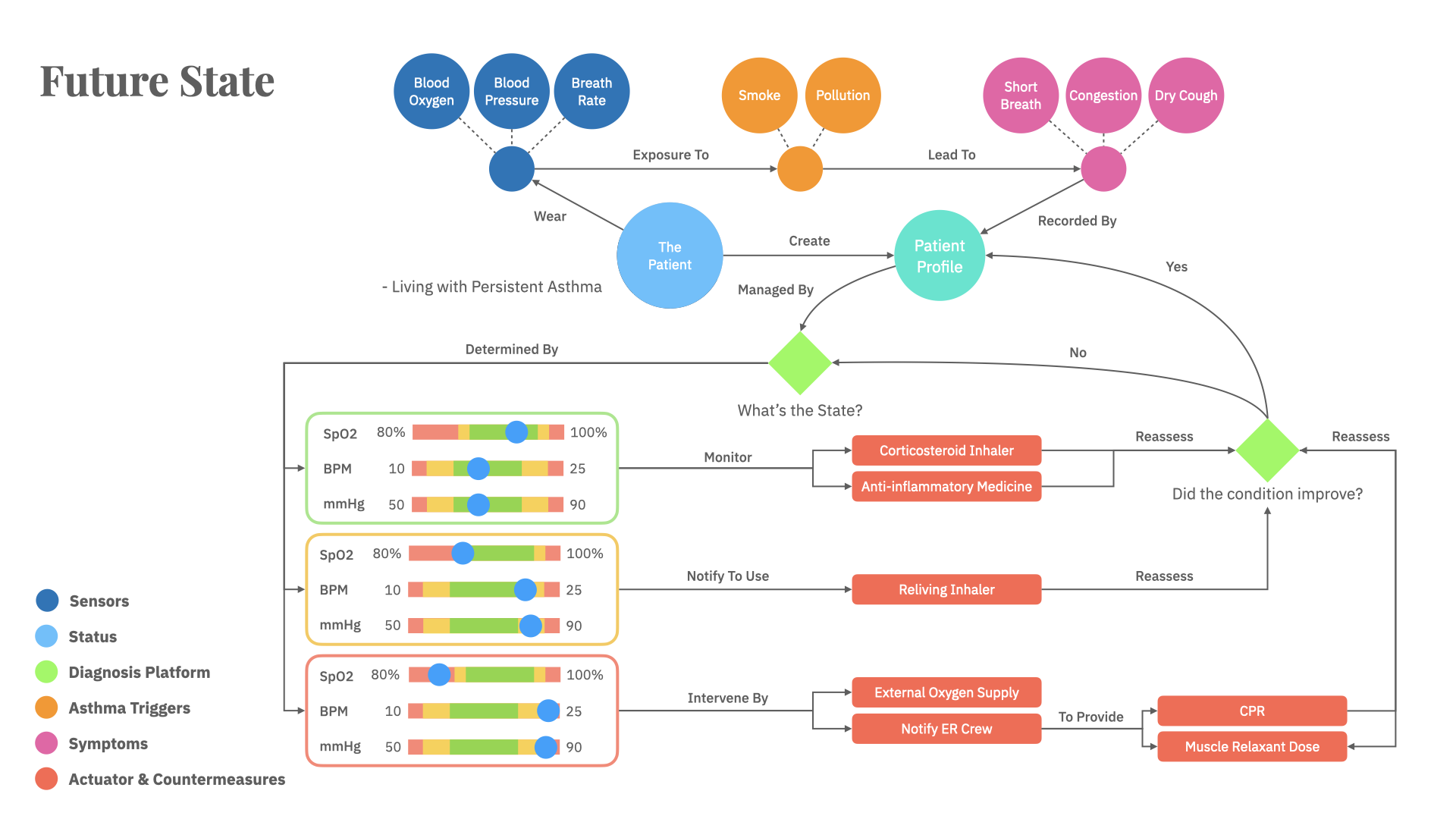
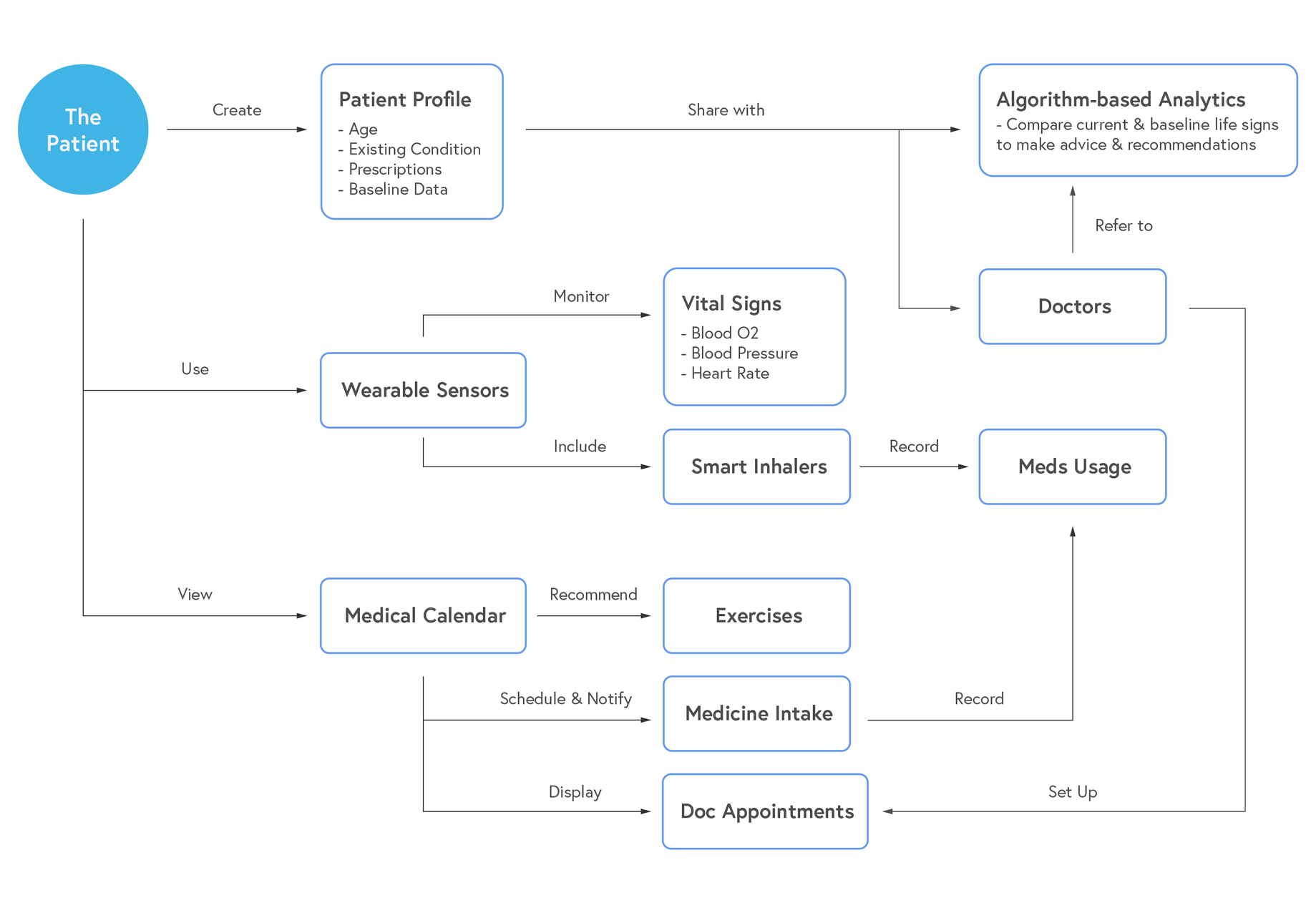
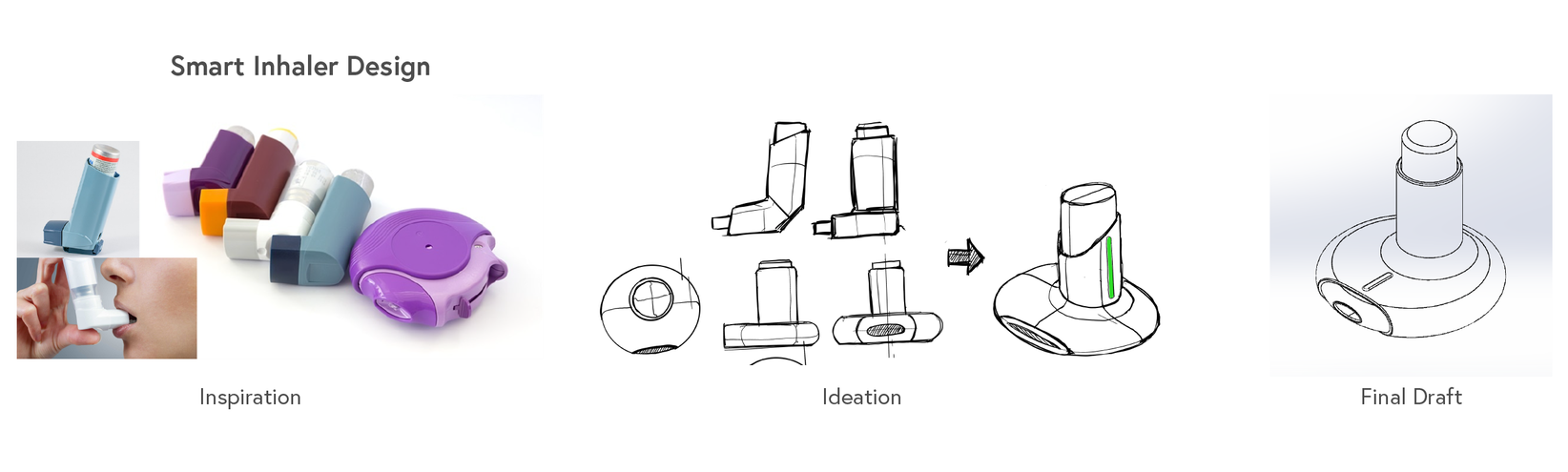
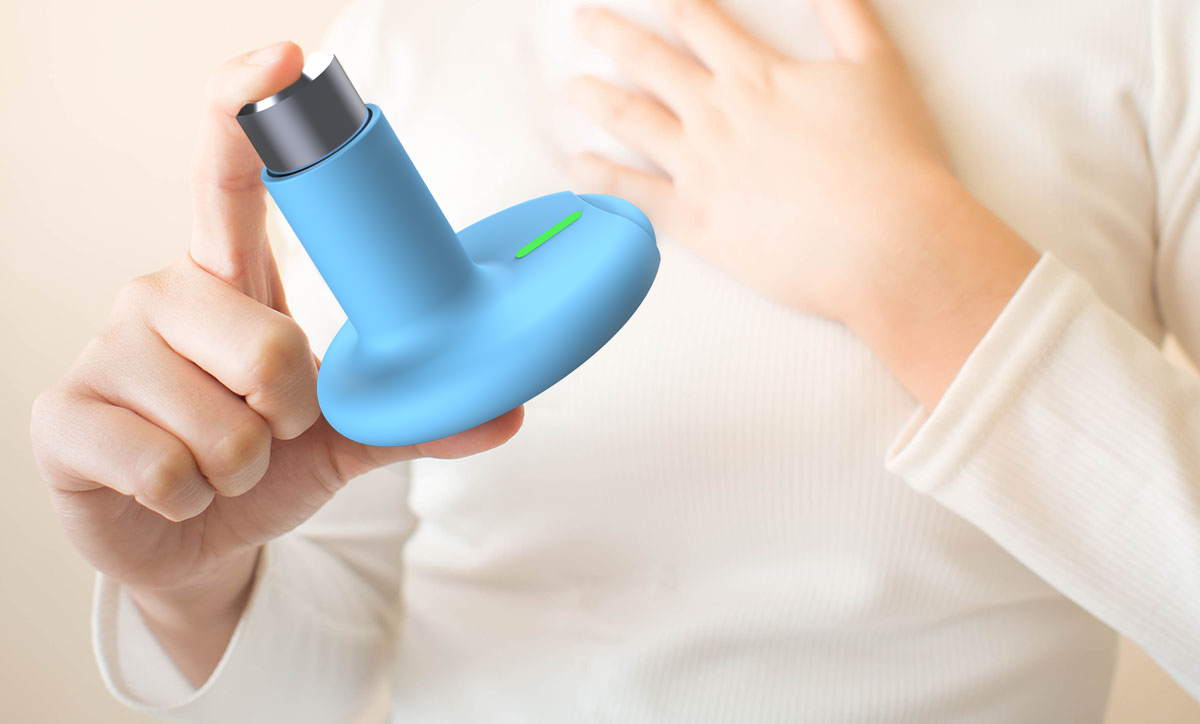
This project taught me how to map a system and what/what not to include, and learned how a mobile app needs to live in a larger product ecosystem. Meanwhile, I also took this chance to utilize my industrial design background to design the inhaler instead of proposing it as a simple drawing. Lastly, I found myself enjoying the process of mapping & designing systems and use that to inspire touch points and features to the users.
Next Steps:
1) Comprehensive User Testing & Feedback: With a complete, clickable prototype and Inhaler concept, I will be able to get much more helpful feedbacks from patients as well as medical professionals. Which is something I found to be the pre-requisite before moving ahead.
2) Inhaler Redesign: With the limited number of feedbacks I already received on the current concept, some points a new direction to the inhaler's design: optimizing portability and different types of medication delivery. I believe in the benefit a well-designed smart inhaler in aiding patients manage their conditions in the long run.
3) V2 Interfaces & Wearable Integration: Wearable integration are becoming part of the new standard suite for health management services, and I'd like to step up the game for Breath as well. The immense potential in wearable technologies is obvious in terms of bringing a less intrusive and pleasant experience.